SPHYNX the 6 moves ↓
🐈‍⬛ a framework. named after my cat. stay with me.

Ghoul. Gremlin. Genius. Depends who you ask.

That is my cat, Anubis. It is also, weirdly, how a room reacts to AI. Nobody is neutral. Then they actually spend five minutes with it.

95% hairless*The other 5%: fuzz on the edges of his ears, a proudly hairy tail, and a fine short peach fuzz everywhere the shirts do not cover. Technically a cat. Mostly. 0% help with this site certified polarizing

You make the call. Ghoul, or adorable?

👆 Cast your vote. It changes nothing. Do it anyway.

keep scrolling
the whole idea

Here is the thing about a hairless cat. And a language model.

People meet Anubis and split down the middle. Half want to swaddle him like a newborn. Half back slowly toward the door. Almost nobody just shrugs. AI does the exact same thing to a room, the gremlin camp and the genius camp staring at each other, both a little bit right.

The move is the same in both cases. Stop reacting. Get closer. Learn how to actually work with the strange little thing in front of you. So I turned how I really use these tools into six steps. They spell my cat.

S · P · H · Y · N · X

Six moves. In order. Skip one and you will feel it.

S
State the goal
P
Position it
H
Hand over specifics
Y
"Yes, and" it
N
Name the format
X
eXamine it

Not a prompt trick. Not a magic word you whisper to the robot at midnight. Just six things I actually do so it stops handing me nonsense with a completely straight face. Here is each one, with teeth (and cat).

S

State the goal

Say what you actually want. Not the task. The outcome.

Most people type the task. Write a status update. Try the outcome instead: make my VP believe I have this handled, and get their eyes on the one risk I am worried about. Same six seconds of effort, completely different result. The goal reshapes everything after it. Aim at the task and you get a task. Aim at the outcome and you get help.
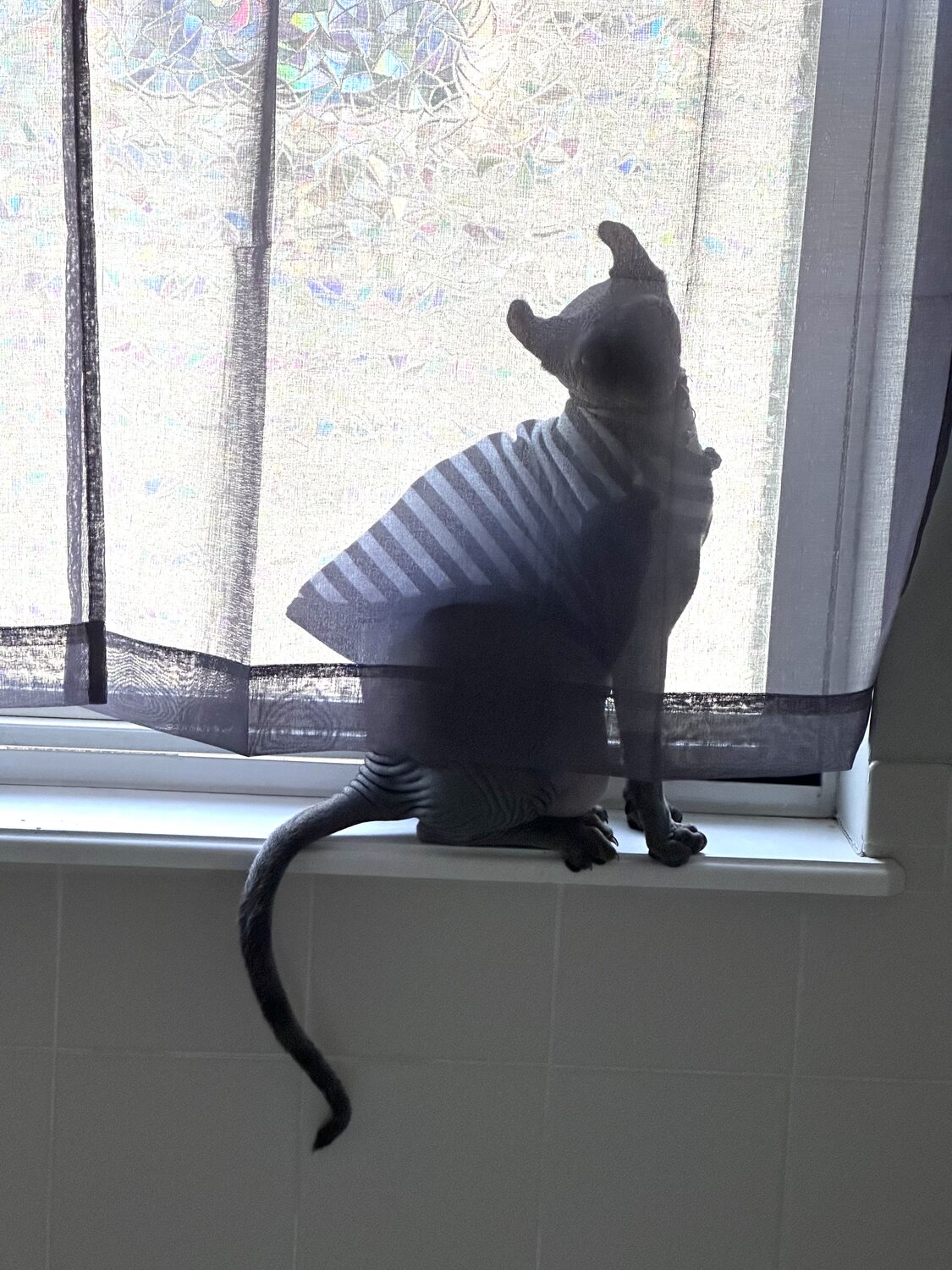
Anubis in silhouette at a bright window, sitting tall and staring out
He has one goal, and it is that bird.
P

Position your message

Give it the seat you are sitting in.

The same facts land three different ways depending on who is talking to whom. A director briefing a VP. A PM nudging an eng lead. A founder emailing a customer who is about to churn. Tell the model which chair you are in and who is across the table. It cannot read the room until you hand it the room.

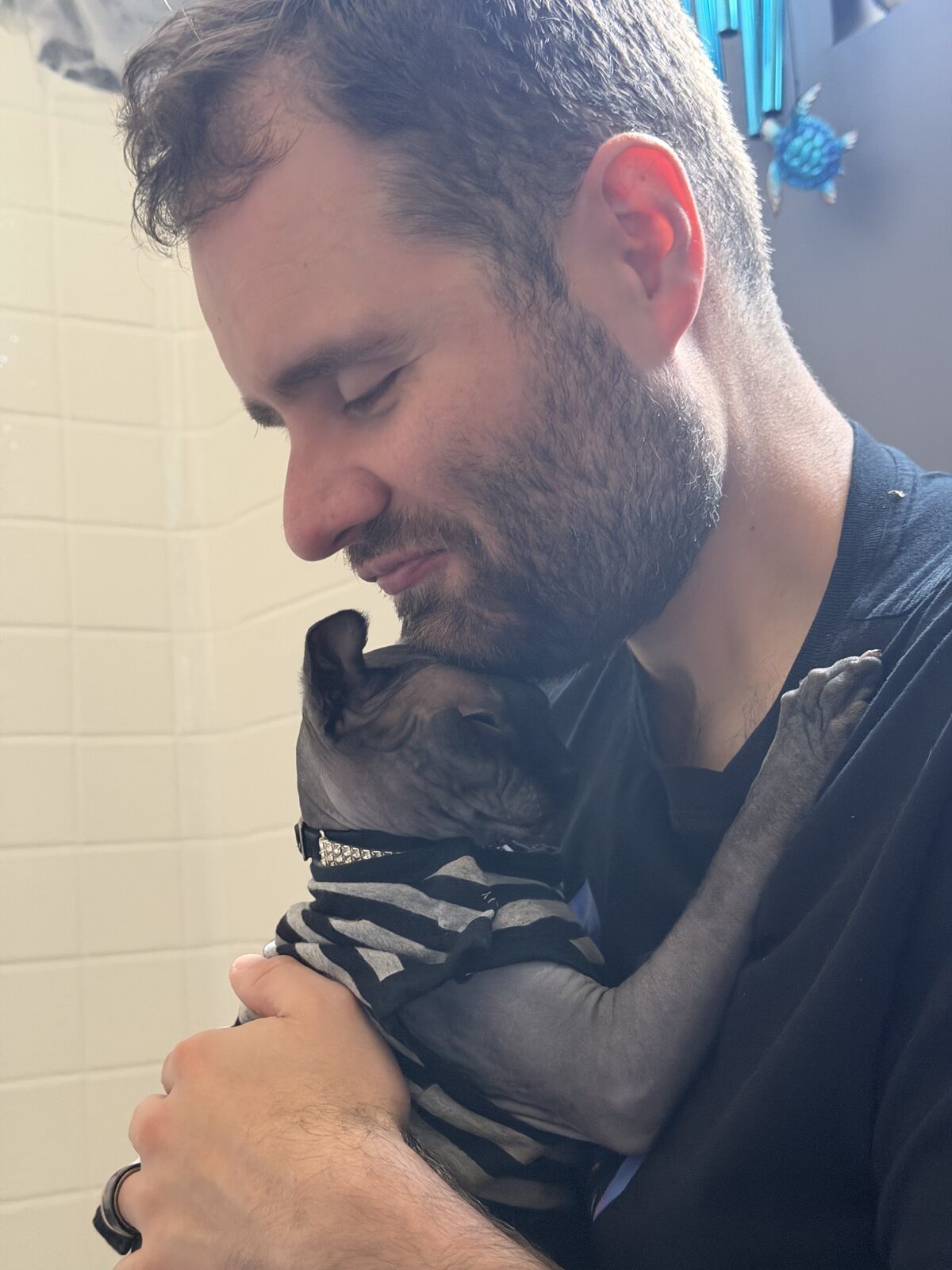
Phil holding Anubis close, the two of them nose to nose
His position is "on you," and it is always "on you."
H

Hand over the specifics

Vague in, vague out. Every single time.

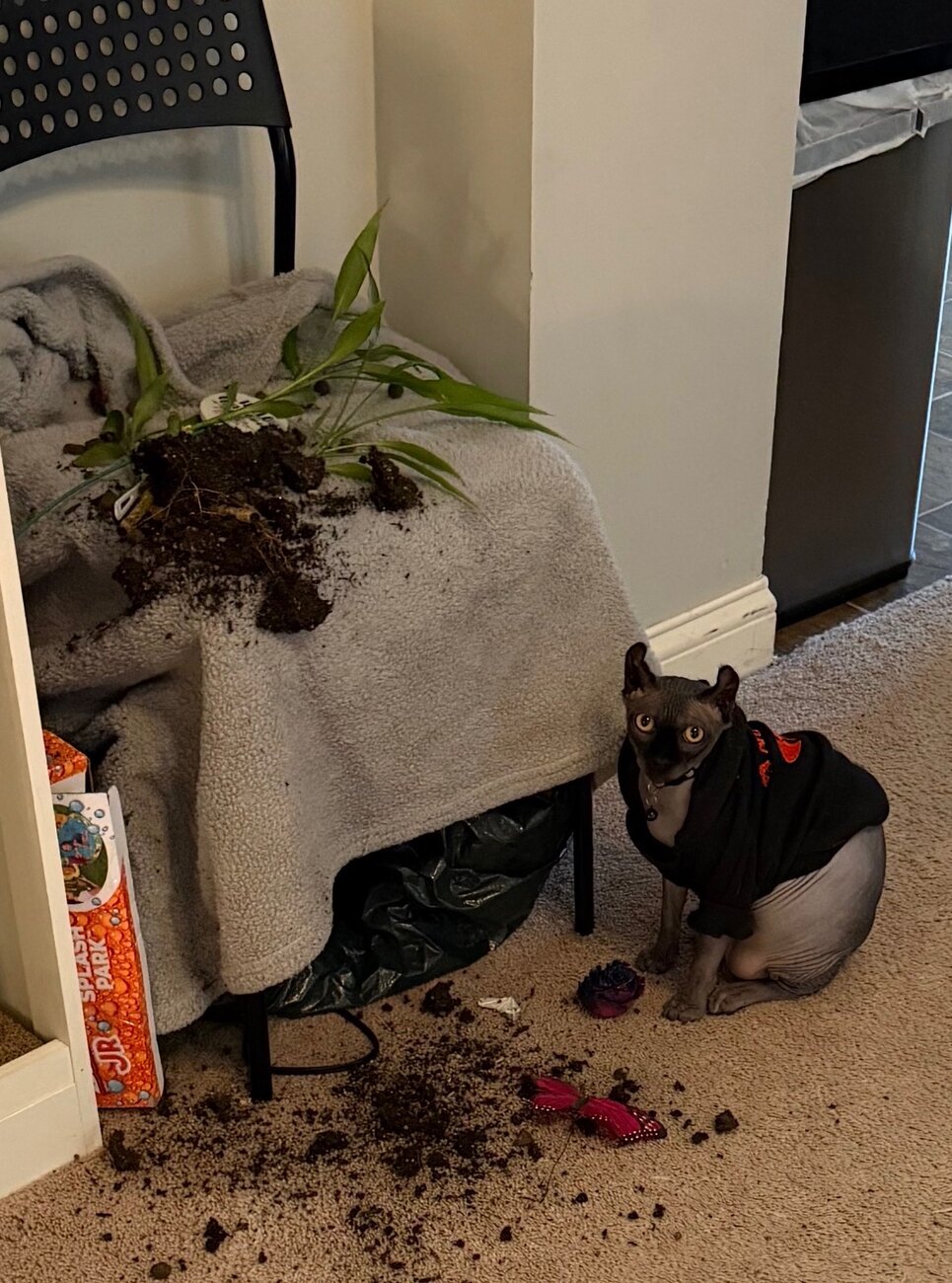
This is where most people cheap out. They ask for something great and hand over nothing to make it great. Give it the data, the real constraint you cannot break, the doc, one example of what "right" looks like. That is the raw material. Skip it and you get mush, confidently delivered. Hand it nothing and, well. See below.

Anubis sitting beside a knocked-over plant, soil all over the floor, looking directly at the camera
This is what "just figure it out yourself" gets you.
Y

"Yes, and" it

Treat the first draft like a scene partner, not a vending machine.

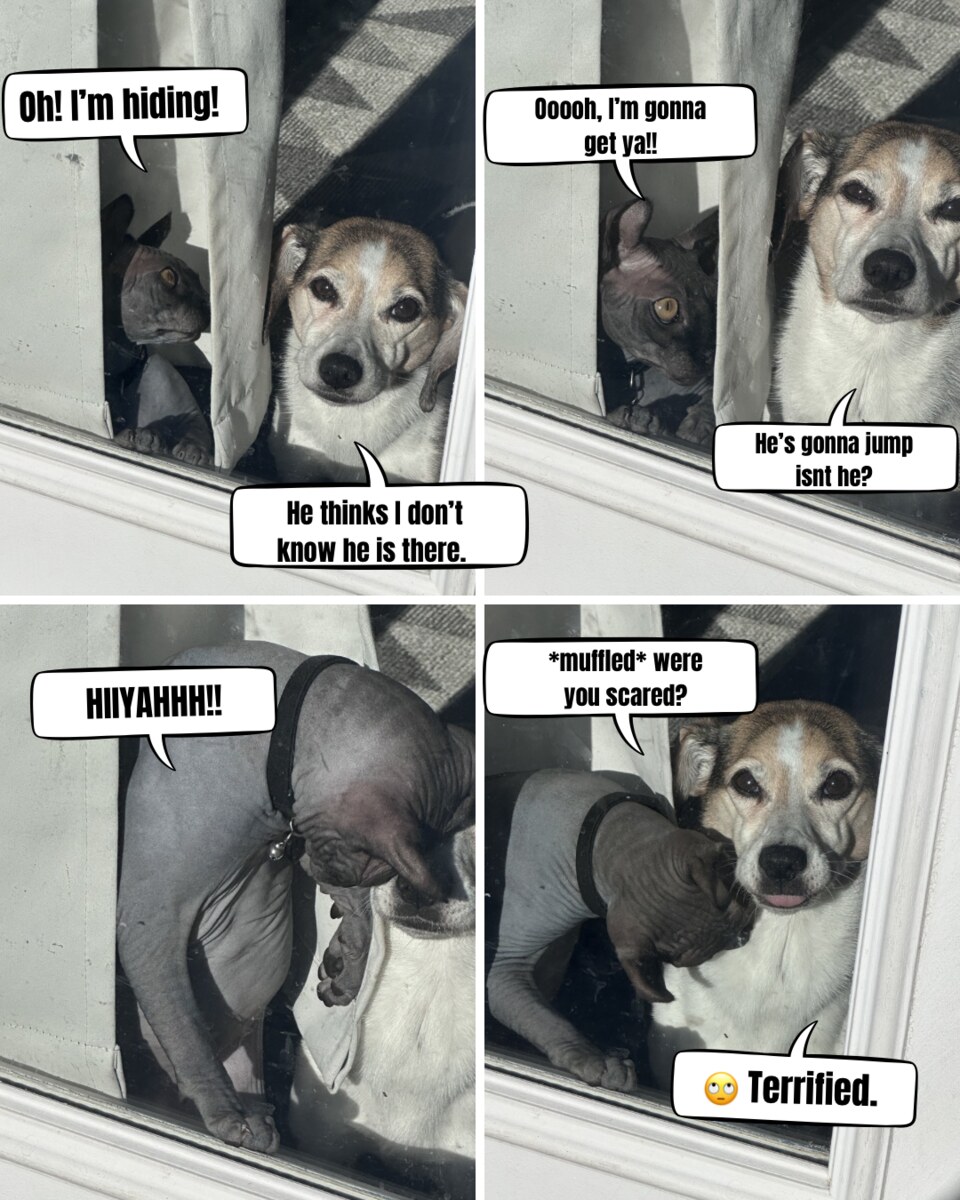
The first output is never the answer. It is the opening line of an improv scene. Build on it. Yes, and cut it in half. Yes, and sound less like a robot. Yes, and tell me what I am missing. People who are good at this are just good at the second, third, and fourth message. The magic was never the perfect prompt. It is the volley.

A four-panel comic where Anubis ambushes a patient dog, captioned like an improv scene
Anubis, workshopping a bit. The dog is the first draft.
N

Name the format

Tell it the shape. Do not make it guess, then get mad.

Bullets or paragraphs. Two hundred words or two pages. A table with these three columns. A Slack message I can paste without editing. If you do not name the format, it picks one, and it is allowed to pick wrong. Naming the shape up front is the cheapest quality upgrade you will ever make.

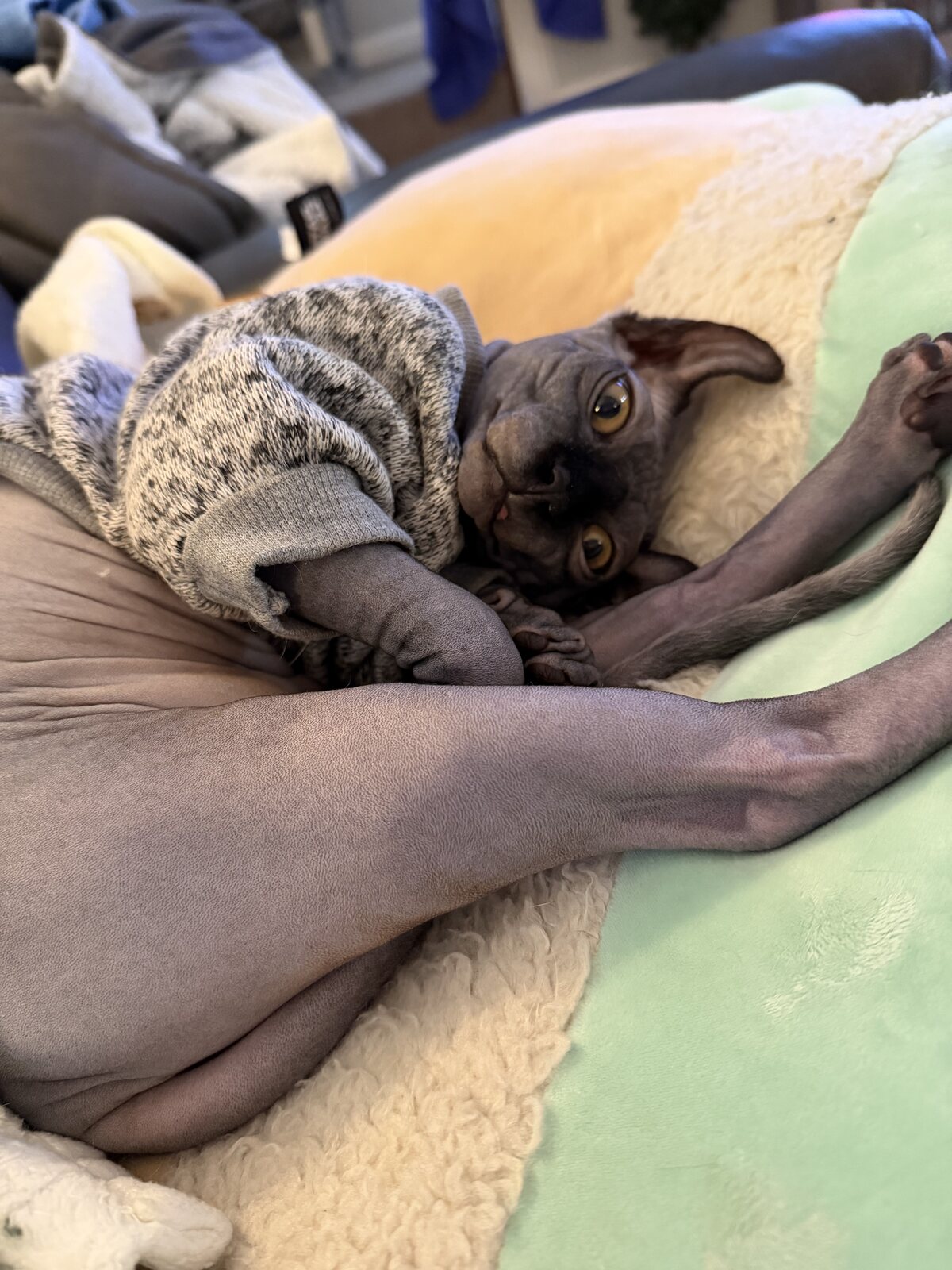
Anubis bundled neatly in a knit sweater, tucked into the crook of an arm
He was told the format. He went with "burrito."
X

eXamine before you trust it

Read it like you did not write it.

This is the whole ballgame. Check the numbers. Check the claims. Assume it is confident and occasionally, cheerfully wrong, because it is. This single move is the line between people who are curious about AI and people who are actually good with it. The tool hands you a draft. You are still the one who signs it.

He has examined this. He trusts nothing, least of all you.

The whole thing, on one screen.

Screenshot this part. Pin it above your desk. Pretend you came up with it.

S
State the goal
The outcome you want, not the task.
P
Position your message
Who is talking, and to whom.
H
Hand over the specifics
Vague in, vague out. Feed it.
Y
"Yes, and" it
A scene partner, not a vending machine.
N
Name the format
Tell it the shape you want back.
X
eXamine before you trust it
Read it like you did not write it.
copied to clipboard
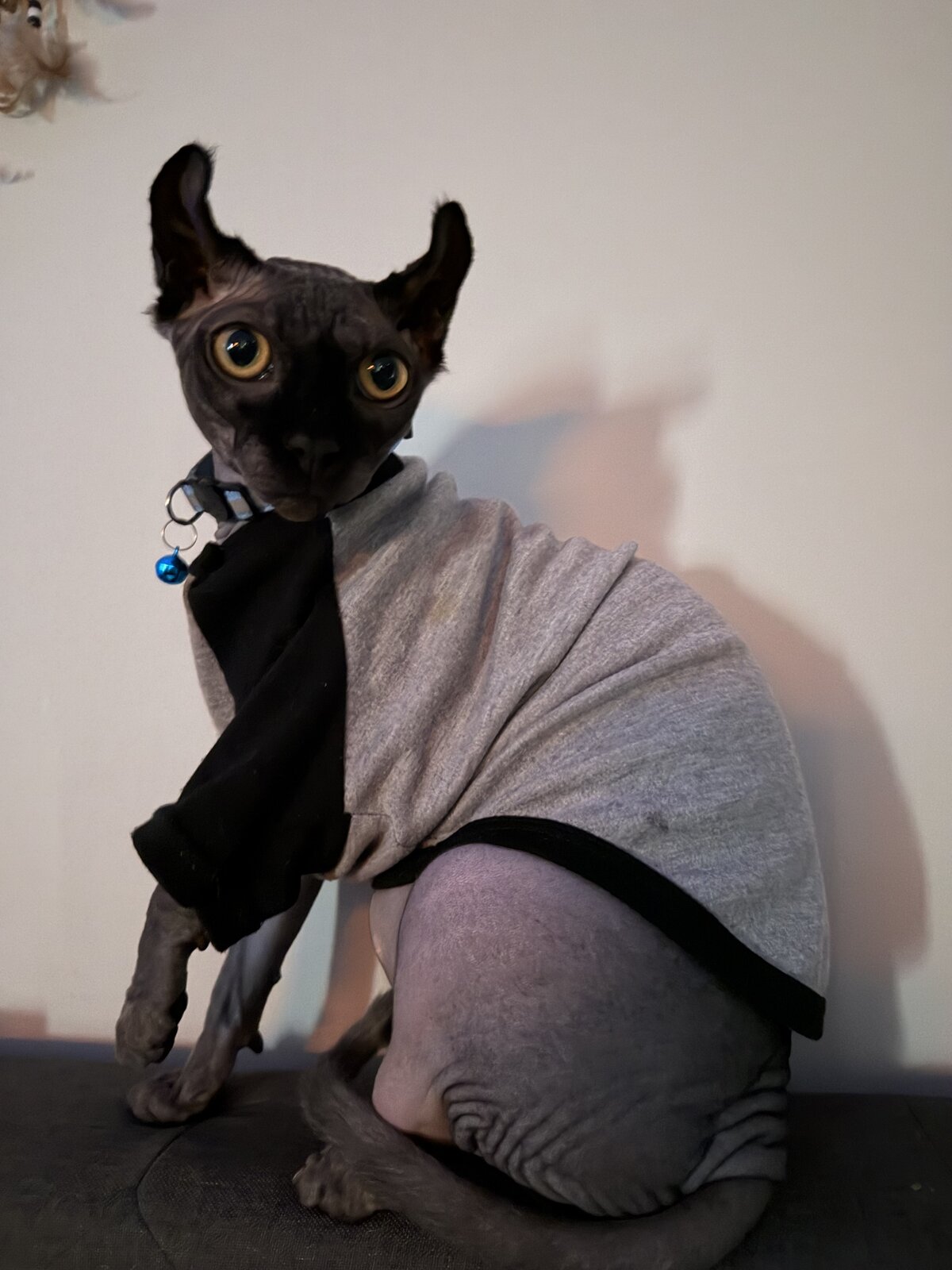
Anubis sitting upright in a grey and black shirt with a blue bell collar, staring straight into the camera

That is it. Six moves and a cat.

None of this is about better prompts. It is about treating the thing like a capable, slightly feral collaborator. Aim it, brief it, feed it, push it, shape it, and check its work. Same as you would with anyone good on your team. Anubis, for the record, contributed nothing but vibes.

Ghoul? Gremlin? Genius? Yes.

Made by Phil Morehead. Modeled by Anubis, who slept through most of it.
philmorehead.com